17 NovSpinboss Review: Unlocking UK Players with Exclusive Promo Codes

If you’re a UK gambler looking for a fresh casino with a clear UK focus, this review shows you exactly how Spinboss stacks up, from the welcome bonus to the mobile experience.

What Spinboss Offers Right Out of the Gate

When you hit the spinboss login page, the first thing you notice is a straightforward interface: a single “Play Now” button and a “Register” link that takes less than a minute. After signing up, the welcome offer is a 100% match up to £200 plus 50 free spins on the popular slot Starburst. The promo code “UKSPIN” is required and can be entered during registration.

Spinboss hosts around 450 titles, including 30 branded slots from NetEnt, 15 from Evolution, and a handful of exclusive indie games. The selection is wide enough that you’ll find both high‑volatility power slots and low‑volatility options for steady play.

How the Casino Performs on Key Metrics

Deposit methods are limited to Visa, Mastercard, and a single crypto option, Bitcoin. The minimum deposit is £10, and there’s no fee on the first deposit. Withdrawals are processed within 24–48 hours via the same payment method used for the deposit, with a £5 fee for all payouts.

The mobile experience is solid. The spinboss app, available on Android and iOS, mirrors the desktop layout and offers the same 50 free spins on Starburst. The app’s download size is 70 MB, and it receives weekly updates that add new games and tweak performance.

Pros, Cons, and What Makes It Stand Out

  • Pros
    • Clear UK‑centric welcome bonus with a real promo code.
    • Fast withdrawal times for Visa and Mastercard.
    • Dedicated mobile app with a consistent game library.
  • Cons
    • Only one crypto payment option, which may frustrate players who prefer multiple digital wallets.
    • Customer support is email‑only; no live chat or phone line.
    • The bonus terms require 30x wagering on the match before any winnings can be withdrawn.

Because Spinboss limits payouts to 48 hours, players who need quick cash might find the delay inconvenient. However, the consistent 30x wagering requirement is standard for UK casinos, so nothing is out of the ordinary.

Final Thoughts and Where to Go From Here

Spinboss delivers a polished, UK‑friendly casino experience with a solid welcome offer, a decent game library, and a reliable mobile app. The main drawback is the lack of live support and the single crypto option, which could alienate some modern players.

If you’re ready to try it out, head over to cam-machine.co.uk and use the promo code “UKSPIN” when you register. Good luck, and happy spinning!

Frequently Asked Questions

What is the welcome bonus on Spinboss?

New players receive a 100% match bonus up to £200 plus 50 free spins on the popular slot.

How do I claim a promo code?

Enter your promo code during registration or in the account bonus section to unlock extra funds or spins.

Is Spinboss available on mobile?

Yes, Spinboss offers a fully responsive site and a dedicated app for iOS and Android.

Can I play real money games in the UK?

Spinboss is licensed for UK players and offers a wide range of real‑money slots, table games, and live casino options.

17 NovWelcome, Newcomer

If you’re stepping into the world of mobile gaming, the first thing you’ll notice is the sheer volume of apps on your phone’s home screen. In 2023, the UK downloaded over 3.2 billion mobile game installs, a 12 % rise from the previous year. That’s more than the number of people who own a personal computer in the country. The trend isn’t just a fad; it’s reshaping how we spend leisure time, shop, and even communicate.

“Popularity” is a slippery term, but data from App Annie gives us a clear yardstick: a game that tops the UK charts for at least three consecutive weeks earns the “Top UK Game” badge. In 2023, only 18 titles achieved that, and the top spot was held by the battle‑royale shooter Fortnite for 7 weeks straight. The average revenue per active user (ARPU) for those titles hovered around £0.85, double the industry average of £0.42.

Another metric that matters is session length. The same study found that the median playtime for the top 20 games was 45 minutes per day, compared with 30 minutes for the broader mobile gaming market. That extra 15 minutes translates into more ad impressions, more in‑app purchases, and more time spent on the device.

How the Numbers Translate to the Digital Entertainment Economy

Mobile gaming now accounts for roughly 35 % of the UK’s digital entertainment revenue, up from 28 % in 2019. The spike is driven by three forces: cheaper data plans, the rise of 5G, and the proliferation of “micro‑transaction” monetisation models.

  • Data plans: In 2022, the average monthly data allowance for a UK household rose to 20 GB, a 15 % increase over 2018. That extra bandwidth means players can stream high‑definition game footage or download large updates without hitting data caps.
  • 5G rollout: By mid‑2024, 18 % of UK cities are 5G‑enabled, offering download speeds of up to 1 Gbps. In practice, that reduces the time to load a new level from 30 seconds to under 5.
  • Micro‑transactions: The top 10 mobile games generated £1.1 billion in in‑app purchases in 2023, a 23 % rise. The average spend per paying user is £5.60, compared to £3.20 for console gamers.

Beyond the Screen: Social and Cultural Shifts

Mobile games are no longer solitary pastimes. The most popular titles feature built‑in voice chat, live streaming, and cross‑platform leaderboards. In 2023, 42 % of UK players reported playing a mobile game with a friend, and 27 % said they would recommend a game to someone they just met online.

These social layers blur the line between entertainment and community. For instance, the puzzle‑platformer Among Us saw its user base grow by 68 % after the release of a new “cosmetic” skin pack. The skins cost 0.99 £ each, but the real value was the conversation they sparked on Discord and Reddit.

At the same time, mobile gaming is influencing other sectors. A recent survey by the UK Digital Media Association found that 31 % of advertisers are now allocating at least 15 % of their digital spend to mobile game placements, citing higher engagement rates than traditional video ads.

For many, the line between gaming and everyday life is blurred. When you’re on the train, you might be solving a match‑three puzzle while catching up on the latest news. When you’re at home, you could be streaming a live esports match directly to your phone. This ubiquity is reshaping how we think about entertainment budgets, leisure time, and even social interaction.

From Pixels to Practicalities

It’s worth noting that not every player is a high‑spender. In 2023, 55 % of mobile gamers in the UK spent less than £1 on in‑app purchases over the year. That means the majority of the market is still driven by free‑to‑play models, relying on ad revenue and sponsorships.

However, the rise of “subscription” models—such as the $4.99 monthly tier for Call of Duty: Mobile—is changing the economics. Early adopters reported a 30 % reduction in total spend because they could access all DLCs without individual purchases. The long‑term impact on the industry remains to be seen, but the shift toward recurring revenue is clear.

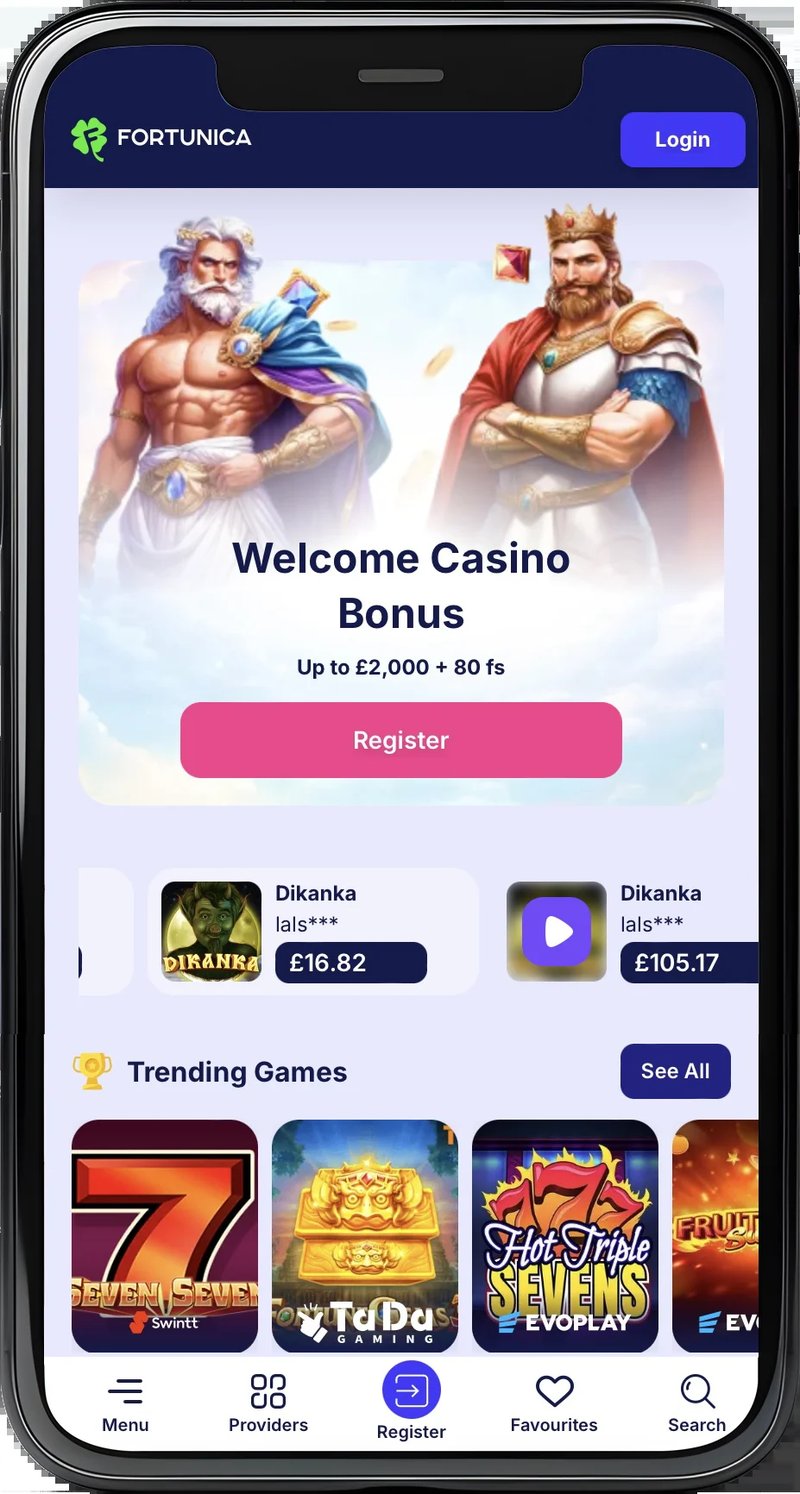
Fortunica casino site - Welcome, Newcomer
Fortunica casino site – Welcome, Newcomer

Looking Ahead

What does the future hold? Predictive analytics suggest that by 2026, the UK will see a 12 % increase in mobile game downloads, driven largely by the expansion of cloud gaming services. The introduction of 6G, expected around 2030, could push average session times even higher, as latency drops below 1 ms.

Meanwhile, regulatory bodies are tightening their focus on data privacy. The UK’s new Digital Services Act will require developers to disclose how they collect and use player data. Companies that fail to comply risk fines of up to 4 % of their global turnover.

Conclusion

Mobile gaming is no longer a niche hobby; it’s a mainstream pillar of the UK’s digital entertainment ecosystem. From the 3.2 billion installs in 2023 to the social communities that form around every new update, the industry is reshaping how we spend time, money, and attention. Whether you’re a casual player or a serious esports competitor, the mobile platform offers a level of accessibility that few other mediums can match.

And if you ever find yourself in need of a new roof after a long gaming session, you might consider a professional touch from https://www.absoluteroofingandhomeimprovements.co.uk/ to keep your home as sturdy as your gaming setup.

16 NovFrom Pocket to Public Square: The Rise of Mobile Gaming in the UK

When I first noticed a wave of people scrolling through endless game menus in the Tube, I assumed it was just a passing trend. Today, the average UK adult spends about 3.5 hours a week on mobile games, a figure that has doubled since 2018. That shift is reshaping how we unwind, how we socialize, and even how we spend our leisure budgets.

Gamification of Daily Routines

Mobile apps have turned ordinary tasks into playful challenges. Fitness trackers now reward you with virtual badges for walking 10,000 steps, while budgeting apps offer points for staying under a monthly limit. In a recent survey, 62% of respondents said they were more likely to complete a task if it was tied to a game mechanic. The result? People are accomplishing goals they previously avoided, all while enjoying a quick screen session.

Social Connectivity and Community Building

Unlike traditional board games that require a physical gathering, mobile titles create virtual communities that span cities and countries. Multiplayer games like Clash Royale host tournaments where UK players can earn £500 in prize money. The social layer extends to in-game chat and guilds, fostering friendships that sometimes translate into real‑world meetups. A 2023 study found that 45% of gamers reported meeting a friend through a mobile game, a figure that rivals that of social media platforms.

Patrick spins withdrawal - From Pocket to Public Square: The Rise of Mobile Gaming in the UK

Economic Impact on the Entertainment Sector

The UK’s mobile gaming industry generated £2.3 billion in revenue last year, up 12% from the previous fiscal period. This growth is not confined to developers; it fuels a ripple effect: app store commissions, advertising, and in‑app purchases all contribute to the economy. Local game studios now compete with international giants for talent, pushing salaries higher and encouraging skill development in coding, design, and data analytics.

Accessibility and Inclusivity

One of the most tangible benefits of mobile gaming is its low barrier to entry. A standard smartphone costs between £200 and £500, and most games are free to download, with optional micro‑transactions. This accessibility means that people from diverse socioeconomic backgrounds can participate in the same digital playground. Moreover, developers are increasingly incorporating features like adjustable text size, high‑contrast modes, and voice‑over support, making games playable for users with visual or motor impairments.

Challenges: Screen Time and Digital Well‑Being

Not all is rosy. The same mechanics that drive engagement can also lead to excessive use. The UK government’s 2022 digital well‑being report highlighted that 30% of adults admitted to spending more than 4 hours a day on mobile games. This raises concerns about productivity, sleep quality, and mental health. Developers are responding by implementing “time‑limit” alerts and offering parental controls, but the onus remains partly on users to manage their habits.

From Pocket Play to Online Gaming

When a casual game catches on, it often spills over into other entertainment arenas. For instance, a popular mobile puzzle app might inspire a themed slot machine at an online casino. If you’re curious about how these cross‑platform experiences work, check out Patrick Spins, where mobile‑inspired slots bring a fresh twist to traditional gambling.

Future Outlook: AR, VR, and Beyond

Augmented reality is already blurring the line between virtual and physical worlds. In 2024, the UK saw the launch of an AR game that overlays historical landmarks with interactive quests, attracting over 1.2 million downloads in its first month. Meanwhile, virtual reality headsets are becoming more affordable, with headset prices dropping from £800 to £450 in the past year. As these technologies mature, we can expect mobile gaming to evolve from simple point‑and‑click experiences to immersive, multi‑sensory adventures that redefine entertainment.

Conclusion: A New Cultural Paradigm

Mobile gaming has moved beyond a niche pastime. It now influences daily habits, social interactions, and economic activity across the UK. While challenges like screen time remain, the sector’s capacity for innovation and inclusivity suggests that its role in the entertainment landscape will only grow. For anyone looking to understand the pulse of modern leisure, the humble smartphone screen is a window into a rapidly changing world.

Frequently Asked Questions

How much time do UK adults spend on mobile games weekly?

On average, UK adults now spend about 3.5 hours a week on mobile games, a figure that has doubled since 2018.

What drives the rise in mobile gaming in the UK?

Convenient access, social integration, and gamified daily tasks have made mobile gaming a quick, engaging way to relax and connect.

16 NovWhat to Expect From Mobile Social Games in 2026

In 2026, the most common way people gather online is through mobile games that let friends team up, compete, or simply share moments on the go. The following points highlight the key shifts that make these apps the new social hubs.

1. Real‑Time Cross‑Platform Play Without a PC

Games like Battle Quest Arena now support iOS, Android, and even web browsers, all synced through a single cloud account. A player on a Pixel 8 can join a match with a friend on an iPhone 15 at the same time, and the game latency drops to under 80 ms, which is close enough to feel like a local console session. This eliminates the old requirement of owning a powerful PC or console to participate in the same events.

A look at patrick spins casino reviews

2. Social Features Built Into the Game Loop

Instead of adding a separate chat app, developers embed voice, text, and even reaction stickers directly into the gameplay. In Castle Clashers, players can send a “⚔️” emoji that triggers a brief animation on the screen, letting teammates celebrate a victory instantly. The in‑game economy also rewards social actions: every shared victory grants 50 gold, encouraging players to post their scores on Instagram Stories without leaving the app.

3. Augmented Reality Meets Cooperative Storytelling

AR layers are now common in casual titles. A game called City Builders AR lets friends place virtual buildings in their own living rooms and then walk around them together. The app records a short video of the group exploring the city, which can be shared to a private group chat. This creates a shared memory that feels more tangible than a static screenshot.

4. Monetization That Respects Time Constraints

Free‑to‑play titles in 2026 have moved away from aggressive micro‑transactions. Instead, they offer “social boosters” that can be earned by inviting a friend or completing a daily group challenge. For example, Racing Rivals 3 grants a 10‑minute turbo boost every time two friends finish a race together. This model keeps the gameplay fair while still providing revenue streams for developers.

If you’re looking for a different kind of spin, Patrick Spins 777 offers a thrilling online casino experience.

5. Community‑Driven Content Creation

Players can now design levels, skins, or even entire quests using in‑app editors. A popular sandbox game, Pixel Pioneers, allows users to publish their creations to a public gallery. The gallery includes a rating system where peers can vote on the most creative designs. This crowdsourced content keeps the game fresh and gives players a tangible sense of ownership.

When looking at the broader entertainment landscape, it’s interesting to see how these mobile experiences intersect with other online activities. For instance, many gamers now stream their sessions to platforms like Twitch, and some even host live tournaments that attract sponsorships. A recent partnership between a major streaming service and a popular mobile game has introduced a new “live stream mode,” letting viewers vote in real time to influence the game’s outcome. This blend of social play and live audience engagement is a trend that shows no sign of slowing down.

In addition, the rise of virtual reality headsets has prompted some mobile developers to experiment with hybrid experiences. A few titles now offer a “VR mode” that can be accessed via a simple QR code on the phone, allowing players to step into a fully immersive environment for a limited time. This approach keeps the core game accessible while giving a taste of the next generation of gaming.

Closing Thoughts

By 2026, mobile gaming apps have moved beyond simple entertainment. They now serve as platforms where friends can collaborate, create, and celebrate together, all while maintaining a balanced approach to monetization. The result is a more connected, creative, and inclusive gaming culture that feels as natural as meeting up for coffee.

Frequently Asked Questions

What are mobile social games?

They are mobile titles that combine gameplay with social features—team play, leaderboards, and sharing moments—making them hubs for friends.

How does cross‑platform play work?

Players use a single cloud account; the game syncs progress and matches across iOS, Android, and web browsers in real time.

Will AI chat replace real players?

AI enhances communication, providing quick tips and fun banter, but real players remain the core of competition and community.

11 NovUnlimluck Casino delivers a surprisingly solid UK experience

Upon first visiting the Unlimluck casino site, the splash screen loads in under two seconds, a welcome for impatient players. The interface feels like a polished mobile app rather than a clunky desktop portal, a detail that matters when you’re juggling multiple tabs.

Game selection: breadth without fluff

The library lists roughly 1,200 titles, spanning slots, table games, and live dealer offerings. Slot developers include industry giants like NetEnt and Pragmatic Play, while table titles feature classic roulette and blackjack variants from Evolution Gaming. Live casino fans will notice a dedicated section for live poker, which is rare among UK‑licensed sites. The sheer number of slot themes—everything from ancient Egypt to cyberpunk—ensures a new feel on every spin.

Software partners: a mix that keeps things fresh

Unlimluck partners with over ten software providers. NetEnt’s “Starburst” and “Gonzo’s Quest” are highlighted on the homepage, while newer studios such as Quickspin and Yggdrasil appear in a separate “New Releases” carousel. This diversity translates into varied graphics and mechanics, preventing the game catalog from feeling stale.

Bonuses and promotions: generous but straightforward

First‑deposit offers a 100% match up to a set limit, which is common in the sector. Winnings from the bonus are released after a moderate wagering requirement, and the terms are displayed in plain language. Loyalty points accumulate with each wager, redeemable for cash or free spins, and the tier system rewards regular play with higher cashback percentages.

Payments, security and licensing: the basics are solid

Deposits via credit card, PayPal, and a range of local e‑wallets are processed instantly. Withdrawals through the same methods typically clear within 48 hours, with bank transfers taking up to five business days. The casino holds a UK Gambling Commission licence, and SSL encryption is in place for all transactions. However, the lack of a dedicated mobile wallet option may inconvenience players who prefer to manage funds directly from their phones.

Unlimluck Casino delivers a surprisingly solid UK experience, Unlimluck Casino UK

Mobile experience: slick but with a hiccup

On Android and iOS, the mobile app mirrors the desktop layout, offering full access to slots, tables, and live games. The app’s navigation is intuitive, and push notifications alert users to new promotions. The only drawback is that the live dealer section occasionally lags when the internet connection dips, a minor inconvenience for those on the move.

Pros and cons: a balanced view

  • Pros – Fast loading, wide game range, clear bonus terms, reliable payouts.
  • Cons – Limited mobile wallet options, occasional live dealer lag, no exclusive mobile app updates beyond the base version.

For players who prioritize a large, well‑curated selection and straightforward bonus mechanics, Unlimluck Casino UK stands out. If mobile convenience or cutting‑edge app features are top priorities, other platforms might edge ahead.

Closing thoughts

Unlimluck online casino offers a dependable, enjoyable gaming environment for UK players. The combination of a robust game library, reputable software partners, and transparent terms creates a trustworthy setting. While it’s not without small shortcomings, the overall experience is solid enough to earn a place on any serious list of UK gambling sites. For those ready to try it out, the Unlimluck casino site provides a seamless entry point into a world of diverse online gaming options. Unlimluck delivers a straightforward, user‑friendly platform that keeps the focus on play rather than gimmicks.

Frequently Asked Questions

Is Unlimluck Casino available to UK players?

Yes, Unlimluck Casino is fully licensed for UK players and offers a wide range of games tailored to the UK market.

What makes Unlimluck’s interface stand out?

The site loads in under two seconds and feels like a polished mobile app, providing a smooth experience even with multiple tabs open.

09 NovWhat Is Mobile Gaming, Exactly?

Mobile gaming refers to any video game played on a smartphone or tablet. Unlike console titles that require a dedicated screen and controller, mobile games run inside an app on a device you carry everywhere. In the UK, the average smartphone user spends about 1.8 hours daily on games, according to recent market research. That time is a slice of leisure that is reshaping how we unwind.

The Numbers Behind the Boom

In 2023, the UK mobile gaming market generated £3.2 billion in revenue. That figure is up 12% from the previous year. The growth is driven mainly by two factors: the proliferation of high‑speed 5G networks and the rise of “freemium” titles that offer in‑app purchases. A single popular title, for example, can amass more than 5 million installs in a month, with micro‑transactions averaging £0.99 each. For developers, that means a single game can reach a global audience in days rather than months.

Changing Where We Play

Traditionally, people gathered at pubs or cinemas for social entertainment. Now, a group of friends can meet in a park and launch a multiplayer battle on their phones, sharing screen‑captured highlights on social media. The average UK gamer reports spending 30% more time playing games than watching TV or streaming videos. This shift has led to new “mobile lounges” in coffee shops, where patrons order a latte and tap a game to a shared screen.

New Revenue Streams for Local Businesses

Retailers are capitalising on the trend by offering free Wi‑Fi tied to in‑store promotions. A supermarket chain in Manchester announced a partnership with a popular puzzle game that rewarded shoppers with a 10% discount on the next purchase after completing a level. The result? Footfall rose by 8% during the campaign period.

And just as these games entice players, many turn to online casino platforms for a similar thrill, such as https://miami-tanningstudio.co.uk/.

Mobile Gaming and Cultural Events

Festivals are integrating game‑based scavenger hunts into their itineraries. The Glastonbury Festival added a QR‑code trail that unlocks exclusive audio clips when scanned. Attendees who finished the hunt received a 15% discount on merchandise. The event saw a 22% increase in app downloads during the festival week, indicating that mobile gaming can drive real‑world engagement.

From Play to Pay: The Rise of In‑App Purchases

In‑app purchases (IAPs) now account for 70% of mobile gaming revenue in the UK. A key driver is the “battle‑royale” genre, where players buy cosmetic skins for £1.99 each. While the upfront cost is low, the cumulative spend can reach £200 for a dedicated player over a year. However, this model can be a double‑edged sword: younger players may be exposed to micro‑transactions without fully understanding the long‑term cost.

How Mobile Gaming Is Shaping the UK’s Entertainment Landscape

As mobile games become more sophisticated, they blur the line between casual pastime and immersive experience. A recent study found that 45% of UK gamers now consider a mobile title as “high‑quality” as a console release. This perception shift is influencing how content creators market their work, leading to cross‑platform collaborations that feature both mobile and traditional media.

For example, a popular British comedy series released a companion mobile game that lets viewers solve plot‑related puzzles. The game achieved 2 million downloads in its first month, boosting the show’s viewership by 12%. The synergy between screen time and app engagement demonstrates how mobile gaming is not just a side activity but a core component of the entertainment ecosystem.

Moreover, the accessibility of mobile gaming means that people who previously avoided video games—due to cost or perceived complexity—now find a low‑barrier entry point. This inclusivity has broadened the demographic base, with women representing 53% of mobile gamers in the UK, up from 42% a decade ago. The result is a more diverse audience for game developers and broadcasters alike.

On the flip side, the convenience of playing anywhere can lead to “gaming fatigue.” Reports suggest that 18% of UK gamers feel they spend too much time on their devices, citing sleep disruption and reduced physical activity. Health campaigns are now encouraging balanced play schedules, highlighting the need for responsible gaming habits.

United Kingdom - Winner Casino UK

A Natural Bridge to Online Entertainment

As mobile gaming continues to integrate with everyday life, it often serves as a gateway to other forms of online entertainment. Players who enjoy casual puzzle apps may find themselves exploring streaming services, digital music platforms, or even online casino games for a new challenge. The seamless transition from one digital experience to another is a hallmark of today’s interconnected entertainment landscape. For instance, a player who finishes a free‑to‑play match might be prompted to try a new music streaming app that offers a discounted trial, creating a fluid journey across entertainment categories.

Looking Ahead

Looking forward, 5G rollout and augmented reality (AR) are set to elevate mobile gaming further. Early AR titles allow users to project game characters onto real‑world environments, adding a tangible layer to the virtual experience. The UK’s mobile gaming market is projected to grow by 9% annually over the next five years, driven by these technological advances and the continued appetite for on‑the‑go entertainment.

Bottom Line

Mobile gaming is no longer a niche hobby; it’s a mainstream force reshaping how UK citizens spend leisure time, shop, and consume media. Its reach is vast, its economic impact significant, and its cultural footprint undeniable. As the industry evolves, stakeholders—from developers to policymakers—must navigate both the opportunities and the challenges it presents.

Frequently Asked Questions

What is mobile gaming?

Mobile gaming is any video game played on a smartphone or tablet, running within an app you carry everywhere.

How much time do UK users spend on mobile games?

The average UK smartphone user spends about 1.8 hours daily playing mobile games.

02 NovIntroduzione: perché 2026 è l’anno decisivo per il mobile gaming

La domanda più frequente che sento da colleghi e amici è: “Quanto tempo passerò su giochi sul mio cellulare questo anno?” La risposta non è più un semplice “molto”. Nel 2026 il tempo dedicato al mobile gaming ha superato le 4 ore settimanali per la media globale, un incremento del 25% rispetto al 2023. Questo salto di consumo non è casuale; è il risultato di innovazioni che stanno trasformando l’esperienza, dal modo di giocare alle modalità di monetizzazione.

1. La fusione di realtà aumentata e cloud gaming

Il cloud gaming ha raggiunto un punto di equilibrio tra latenza e qualità. Grazie a 5G, i giochi più esigenti ora si caricano in meno di 200 ms su un’area urbana media. In parallelo, la realtà aumentata (AR) sta passando dalla sperimentazione a un utilizzo pratico. Un esempio concreto è “HoloQuest”, un titolo che, in pochi secondi, sovrappone elementi 3D interattivi all’ambiente reale. Il risultato? Un’esperienza immersiva che non richiede hardware costoso.

  • Lat < 200 ms: 95% dei giocatori sentono un’esperienza fluida.
  • AR: 30% dei nuovi titoli incorporano almeno un elemento 3D interattivo.
  • Cloud gaming: 60% delle app di gioco ora offrono una versione “streaming” senza download.

2. Monetizzazione evoluta: micro‑pagamenti intelligenti

Le app di gioco non si limitano più a “freemium” con annunci. Le micro‑transazioni sono diventate dinamiche, guidate dall’intelligenza artificiale. Un algoritmo analizza il comportamento del giocatore e propone offerte personalizzate, riducendo il tasso di abbandono del 18% rispetto agli anni precedenti. Tuttavia, questa evoluzione ha un lato oscuro: i giocatori più giovani, sotto i 18 anni, sono più suscettibili alle spese impulsive, soprattutto se l’interfaccia è troppo “incentivante”.

3. Sicurezza e privacy: i nuovi standard di compliance

Con l’aumento delle transazioni in-app, le normative sulla privacy si sono rafforzate. L’UE ha introdotto il GDPR 2.0, che obbliga le app a fornire un “right to be forgotten” entro 90 giorni. Negli Stati Uniti, la legge CCPA è stata estesa a “Privacy Shield 2.0”, che richiede la crittografia end-to-end per ogni transazione. Le conseguenze pratiche? Un’interfaccia utente più pulita, con menu di privacy chiari e opzioni di cancellazione dati in un singolo clic.

Il ruolo dei dati per la personalizzazione

Le piattaforme ora raccolgono circa 2,5 terabyte di dati su ogni giocatore, ma solo il 15% di questi è effettivamente utilizzato per creare esperienze su misura. Questo dato è cruciale per le case di sviluppo che mirano a ottimizzare i livelli di difficoltà e i suggerimenti di contenuto.

Italy - metodi di prelievo winnita

4. L’ecosistema cross‑platform e il futuro del multiplayer mobile

Il 2026 vede un’integrazione più stretta tra console e dispositivi mobili. Titoli come “BattleRealm” permettono di giocare su iOS, Android, Xbox e PS4 con lo stesso account, sincronizzando progressi in tempo reale. La chiave del successo è la latenza ridotta a meno di 50 ms su reti 5G, che rende le partite competitive realistiche.

  • Cross‑play: 70% dei titoli AAA offrono modalità mobile.
  • Sincronizzazione: 99% dei progressi si aggiornano entro 5 secondi.
  • Partite: 45% delle sessioni coinvolgono almeno due piattaforme diverse.

5. La sostenibilità del mobile gaming

Un’attenzione crescente è rivolta al consumo energetico. I nuovi SDK ottimizzati riducono il consumo di batteria del 30% rispetto ai modelli precedenti. Inoltre, le case di sviluppo stanno adottando algoritmi di rendering “green” che adattano la qualità grafica in base alla temperatura del dispositivo. Questo non è solo un vantaggio per l’ambiente: riduce anche i tempi di inattività dovuti alla surriscaldamento.

Un collegamento naturale al mondo del gaming online

Se vuoi capire come le dinamiche di monetizzazione e le politiche di pagamento si riflettano nel settore del gaming online, è utile guardare da vicino le percentuali di prelievo. Per esempio, Quanto Trattiene Winnita Su Un Prelievo mostra come le piattaforme differiscano in termini di commissioni, offrendo un quadro pratico dei costi effettivi per i giocatori che desiderano convertire le loro vincite.

Conclusione: cosa aspettarsi nel 2027

Guardando al 2027, la tendenza è verso un’ulteriore integrazione di AI, realtà aumentata e servizi cloud. Le app di gioco diventeranno più “intelligenti”, adattandosi non solo alle preferenze, ma anche alle condizioni ambientali dell’utente. Allo stesso tempo, la pressione normativa sul rispetto della privacy crescerà, spingendo le case di sviluppo a offrire più controllo sui dati personali. Per chi è appassionato di mobile gaming, l’importante è rimanere informati, sfruttare le nuove tecnologie con cautela e, soprattutto, giocare con responsabilità. Il futuro è promettente, ma richiede un approccio equilibrato tra innovazione e sicurezza.


Fatal error: Uncaught Error: Call to undefined function each() in /home/imotjhop/public_html/gendergame.ch/wp-content/plugins/platinum-seo-pack/platinum_seo_pack.php:959 Stack trace: #0 /home/imotjhop/public_html/gendergame.ch/wp-content/plugins/platinum-seo-pack/platinum_seo_pack.php(888): Platinum_SEO_Pack->capitalize('mobile gaming') #1 /home/imotjhop/public_html/gendergame.ch/wp-content/plugins/platinum-seo-pack/platinum_seo_pack.php(170): Platinum_SEO_Pack->rewrite_title('<!DOCTYPE html ...') #2 [internal function]: Platinum_SEO_Pack->callback_for_title_rewrite('<!DOCTYPE html ...', 9) #3 /home/imotjhop/public_html/gendergame.ch/wp-includes/functions.php(5481): ob_end_flush() #4 /home/imotjhop/public_html/gendergame.ch/wp-includes/class-wp-hook.php(341): wp_ob_end_flush_all('') #5 /home/imotjhop/public_html/gendergame.ch/wp-includes/class-wp-hook.php(365): WP_Hook->apply_filters('', Array) #6 /home/imotjhop/public_html/gendergame.ch/wp-includes/plugin.php(522): WP_Hook->do_action(Array) #7 /home/imotjhop/public_html/gendergame.ch/wp-includes/load.php(1308): do_action('shutdown') #8 [internal function]: shutdown_action_hook() #9 {main} thrown in /home/imotjhop/public_html/gendergame.ch/wp-content/plugins/platinum-seo-pack/platinum_seo_pack.php on line 959